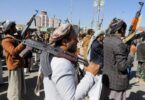


The Iran–United States war (2026) is a major ongoing conflict in the Middle East involving the United States, Iran, and regional allies.
It has rapidly escalated into one of the most serious global crises in recent years, affecting international security, oil markets, and diplomacy.
The conflict began on 28 February 2026, when the United States (with support from Israel) launched large-scale airstrikes on Iran. These attacks targeted:
- Military bases
- Government facilities
- Key leadership figures
Reports indicate that Iran’s Supreme Leader was killed during the initial strikes, triggering immediate retaliation.
The U.S. justified the attack with reasons such as:
- Preventing Iran from developing nuclear weapons
- Reducing missile capabilities
- Responding to perceived threats
However, critics and international observers questioned the legality and motives behind the strikes.
Iran’s Response
Iran responded with significant military force, including:
- Ballistic missile attacks
- Drone strikes
- Targeting U.S. bases and allies in the Gulf
Countries affected included Saudi Arabia, UAE, Qatar, and others.
Iran also closed the Strait of Hormuz, a vital global oil route, disrupting around 20–25% of world energy shipments.
Regional and Global Impact
The war quickly spread beyond Iran and the U.S.:
- Conflict expanded into Lebanon and other areas
- Civilian infrastructure and cities were hit
- Oil prices surged globally
- International trade routes were disrupted
The situation raised fears of a wider regional or even global war.
Ceasefire Attempts and Ongoing Tensions
Although there have been attempts at ceasefire and negotiations, the situation remains unstable.
Recent developments (April 2026):
- The U.S. seized an Iranian cargo ship, escalating tensions
- Iran called the move “piracy” and refused peace talks
- A fragile ceasefire is at risk of collapsing
- Both sides continue to threaten retaliation
Diplomatic efforts involving countries like Pakistan and international organizations are ongoing but uncertain.
Key Issues Driving the Conflict
Several major issues continue to fuel the war:
- Nuclear program concerns
- Control of regional influence
- Military presence in the Middle East
- Economic sanctions and blockades
- Control of the Strait of Hormuz
The Iran–US war is a complex and evolving conflict with serious global consequences. While there have been efforts to reduce tensions, recent actions suggest the situation remains volatile and could escalate further
How Iran Responded to the United States
1. Military Retaliation
After the initial U.S. strikes, Iran reacted quickly with force:
- Launched hundreds of ballistic missiles and drones
- Targeted U.S. military bases and embassies across the Middle East
- Hit oil facilities and strategic infrastructure in Gulf countries
This was meant to show strength and deter further attacks.
2. Disrupting Global Oil Routes
Iran used its strategic position to apply pressure:
- Threatened and interfered with shipping in the Strait of Hormuz
- Targeted or disrupted oil tankers and trade routes
- Caused global oil prices to rise and disrupted supply chains
This is one of Iran’s most powerful tools because it affects the global economy.
3. Threats and Continued Escalation
Iran warned it would not back down:
- Declared it is ready to resume full war at any time
- Threatened retaliation against U.S. allies’ energy infrastructure
- Condemned U.S. actions as aggression and violations of sovereignty
4. Political and Diplomatic Response
Iran also responded through diplomacy—but on its own terms:
- Refused or delayed peace talks with the U.S.
- Demanded removal of blockades and recognition of its rights
- Accused the U.S. of acting in bad faith during negotiations
5. Strategic Approach
Iran’s overall strategy is:
- Retaliate strongly to avoid appearing weak
- Increase pressure globally (oil, trade, regional instability)
- Use negotiations and force together to gain leverage
Iran’s response wasn’t just one action—it combined:
- Military attacks (missiles, drones)
- Economic pressure (oil routes)
- Political resistance (rejecting U.S. demands)
👉 In simple terms: Iran is fighting back while also trying to force the U.S. into negotiations on its own conditions.
How Pakistan Nediator the Iran–US War
1. Acting as a Mediator
Pakistan positioned itself as a neutral country with good relations with both sides.
- It communicated messages between Iran and the U.S.
- Encouraged both countries to avoid further escalation
- Offered to host peace talks in Islamabad
👉 Think of Pakistan as a middleman trying to bring both sides to the table.
2. Helping Arrange a Ceasefire
Pakistan played a key role in:
- Facilitating a temporary ceasefire (pause in fighting)
- Pushing both sides to agree to stop attacks for a short time
- Giving space for negotiations to begin
This helped reduce immediate violence, even if only temporarily.
3. Hosting Peace Talks
Pakistan invited both countries to talk:
- Planned and hosted negotiations known as the Islamabad Talks
- Prepared to continue hosting more discussions
- Tried to find a long-term solution to end the war
Recent reports show the U.S. even sent delegations to Pakistan for talks.
4. Diplomatic Pressure & Communication
Pakistan’s leadership (like Prime Minister Shehbaz Sharif) also:
- Spoke directly with leaders from Iran and the U.S.
- Urged both sides to choose diplomacy over war
- Helped keep communication open when tensions were high
5. Limitations (Why Pakistan Can’t Fully Stop the War)
Even though Pakistan helped, it cannot control the outcome:
- Only Iran and the U.S. can decide to end the war
- Talks sometimes fail due to disagreements and mistrust
- Recent tensions (like ship seizures and blockades) have disrupted peace efforts
Simple Summary
- Pakistan did not stop the war completely
- It acted as a mediator and peace facilitator
- Helped create a temporary ceasefire
- Hosted and encouraged peace talks
👉 In short: Pakistan is trying to stop the war through diplomacy, not military action.
How Iran and the U.S. Peace Talks Work (2026)
1. Where and How Talks Happen
- Peace talks are held in Islamabad (Pakistan) with Pakistan acting as mediator
- Officials from both countries meet face-to-face (first time in many years)
- Talks can last many hours (some lasted over 20 hours) but still no final agreement
👉 Pakistan helps both sides communicate and try to reach a deal.
2. What They Are Talking About
The main issues in the talks are:
- Nuclear program → U.S. wants Iran to stop developing nuclear weapons
- Sanctions → Iran wants economic sanctions removed
- Strait of Hormuz → Both sides want control and safe shipping
- Military actions → Stop attacks and reduce forces
👉 These are big disagreements, which make peace difficult.
3. Ceasefire Before Talks
- A temporary ceasefire started on 8 April 2026
- This means both sides pause fighting to allow negotiations
- Ceasefire is only temporary and fragile
4. Why Talks Are Failing
So far, talks have not succeeded because:
- Both sides blame each other
- U.S. and Iran have very different demands
- Trust is very low
- New tensions (like ship seizures) keep happening
👉 Example: Iran stopped or delayed talks after the U.S. seized a ship and called it aggression
5. Current Situation
- Talks are on and off (start, stop, restart)
- Iran says it may not join the next round
- But some reports say this could be strategy to get better terms
- Ceasefire could end soon, risking more war
Simple Summary
👉 Iran–U.S. peace talks are:
- Held in Pakistan with a mediator
- Focused on nuclear, sanctions, and security issues
- Supported by a temporary ceasefire
- Not successful yet due to strong disagreements
#iranuswar #iranattack #pakistanmediator
#IranUSWar #Geopolitics #WarUpdates #MilitaryNews #DefenseNews #MissileStrikes #DroneWar #USMilitary #IranMilitary #IranWar #USIranConflict #MiddleEastWar #WorldConflict #BreakingNews #GlobalCrisis #OilCrisis#StraitOfHormuz#EnergyCrisis#WorldEconomy#GlobalTensions#SupplyChain #TrendingNow #ViralNews #NewsUpdate #LiveUpdates #Conflict2026